



Tipiliuke Lodge
$800/day p/angler
Price: $800
Duration: 4 to 8 Days / Lodge
4.7
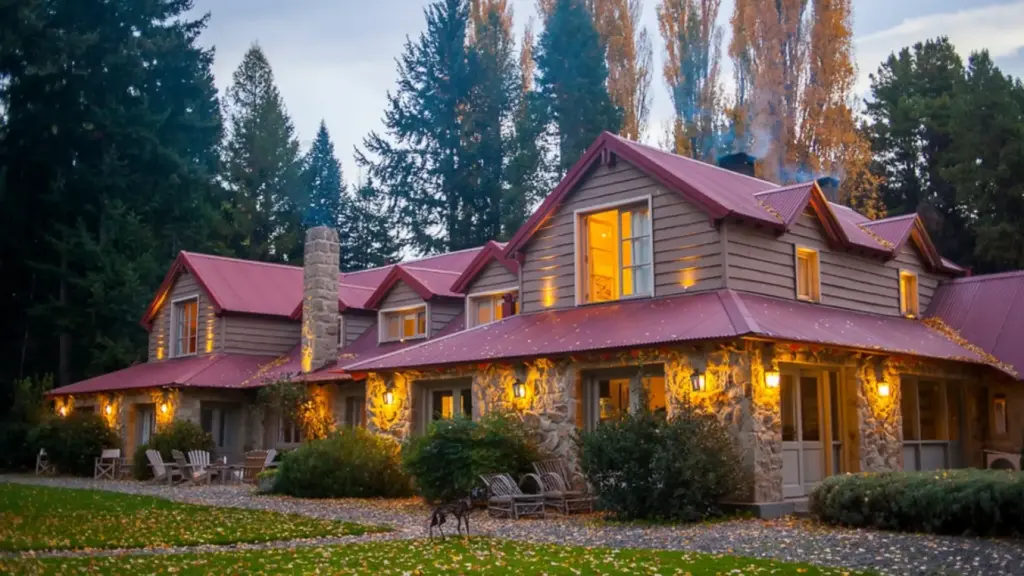
Tipiliuke sits at the heart of an active cattle estancia in Neuquén province, a short transfer from the San Martín de los Andes airport. The lodge offers a handful of comfortable rooms, a fireplace-warmed dining room, and a relaxed lounge and bar — the kind of understated, family-run elegance that’s made it a fixture among Patagonia’s top fishing addresses for over two decades.
Fishing runs from November through April, with the Chimehuín and Quilquihue rivers offering everything from technical spring-creek glides to freestone runs and undercut banks. Early season (Nov–Dec) brings higher flows and less-pressured fish; December through February is prime dry-fly season, with steady mayfly hatches; and the fall months see big browns staging for their spawning run. Beats are close to the lodge, so little time is lost getting to the water, and float options are available for those who want to cover more ground.
Non-anglers are well looked after too, with horseback riding, hiking, and asado lunches out on the estancia rounding out the stay.
A stay at Tipiliuke is built around flexibility: rather than a fixed daily route, your guides read the river each morning — water levels, weather, hatch activity, and time of season — and choose the beat that gives you the best shot at fish that day.
Day 1 — Arrival & First Water
Arrive via San Martín de los Andes, a short transfer to the lodge. Depending on arrival time, an afternoon session on a nearby Chimehuín beat to get a feel for the river and settle in.
Days 2–6 — Fishing the Estancia
Each day opens with a look at conditions before deciding where to fish:
- Clear, low water and steady hatches → technical dry-fly work on the Chimehuín's glides and pools, or the intimate spring-creek water of the Quilquihue.
- Higher or discolored flows, typical of early season → faster runs, undercut banks, and streamer water where fish hold tight to structure.
- Warm, bright afternoons with strong hatch windows → timing the day around the rise, fishing slower through mid-day and pushing hard in the evening.
- A change of pace → a float day, covering new water and reaching pools inaccessible on foot.
Rotating beats this way also rests water that's been fished hard, keeping every outing fresh. Afternoons and evenings return to the lodge for asado lunches, a dip by the river, or a ride out into the estancia for non-fishing days.
Final Day — Departure
A final morning session where conditions allow, followed by transfer back to San Martín de los Andes for onward travel.
Dining is treated with the same care as the fishing itself. Full-time chefs craft a gourmet menu rooted in Argentine and Patagonian culinary tradition, drawing on regional specialties, prime cuts of beef, house-made pastas, and an outstanding selection of Argentine wines. Every meal is designed to complement the rhythm of the day on the water, turning each stay into a true culinary journey through the flavors of Northern Patagonia.
Breakfast, lunch, and dinner are served daily, along with a light afternoon tea or snack timed to fit around the day’s fishing — whether that means an early bite before an early start or a relaxed spread waiting back at the lodge after a long afternoon on the river. Guests can look forward to everything from a traditional Patagonian asado to refined multi-course dinners, always paired with attentive service and a genuine sense of hospitality.
Our Trips
Related Destination
FAQ’s
Frequently Asked Questions
I don’t own fishing gear. Do you provide it?
No worries—we provide everything you need. All equipment is included and tailored to the waters you’ll be fishing, including rods, reels, lines, and flies.
Do I need to know how to fly fish?
Not at all. Our guides love introducing newcomers to this fascinating sport and will do their best to help you land your first trout on your very first fly-fishing experience. Alternatively, most of the waters we fish are also suitable for conventional spinning gear.
I’m vegetarian/vegan. Do you offer alternative food choices?
Absolutely. We’re happy to adapt meals to your dietary needs. Just let us know about any preferences or restrictions in advance, and we’ll make sure you enjoy the food as much as the scenery and the fishing.
What personal gear should I bring?
We provide all fishing equipment, food, and beverages. You should bring:
- Sunglasses (essential for both safety and comfort while fishing)
- A warm layer, as Patagonia’s weather can change quickly
- A hat and sunscreen for sun protection
My partner doesn’t want to fish. Can they come along?
Of course! They can relax and enjoy the stunning scenery and delicious food. And who knows—after a day surrounded by Patagonia’s beauty, they might even be tempted to give fishing a try.
