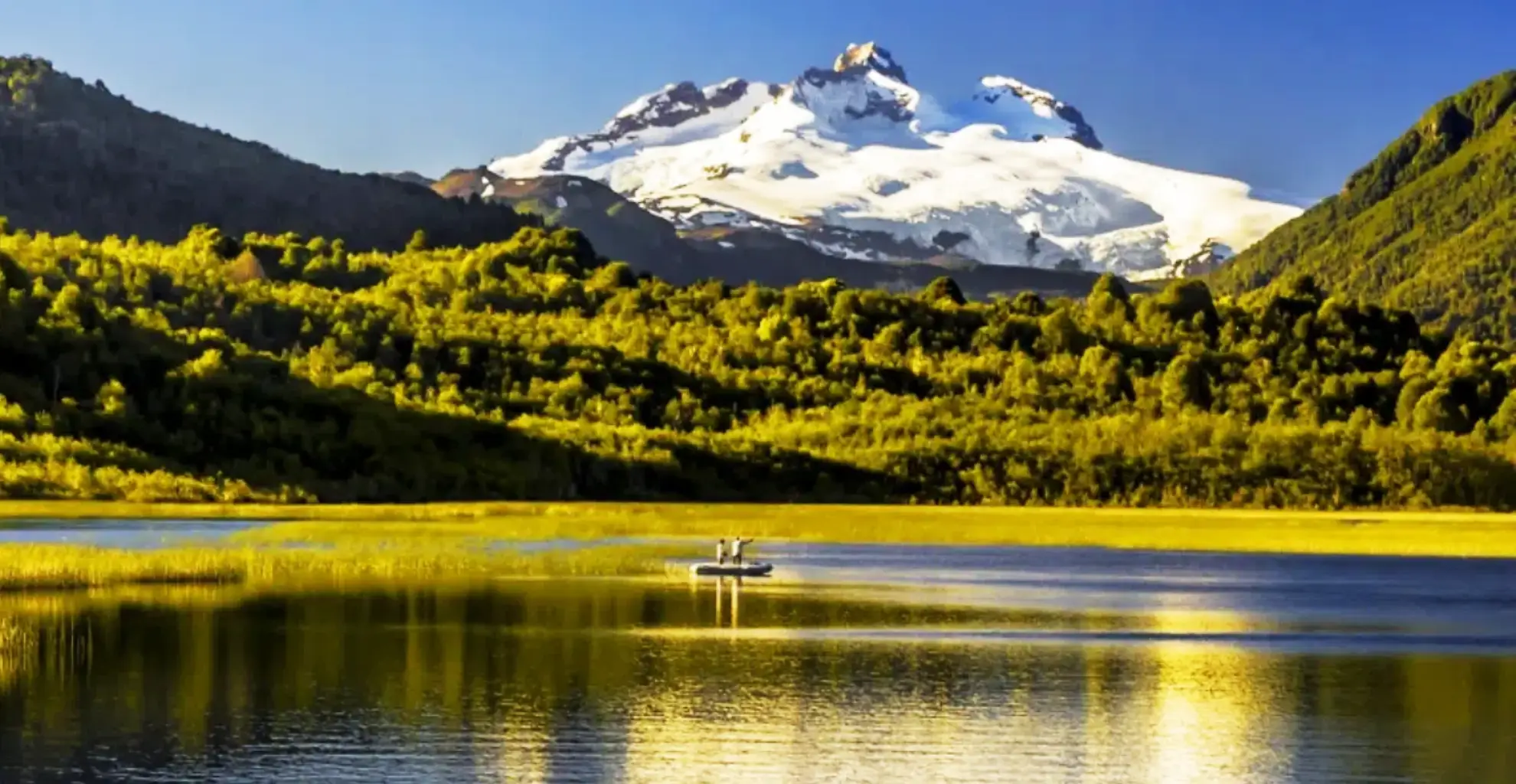
The Chimehuín River begins at the outlet of Lake Huechulafquén, at the foot of the Lanín volcano, and flows for about 33 miles before joining the Aluminé to form the Collón Curá. Flowing through Neuquén province near the town of Junín de los Andes, it is widely regarded as the river that put Argentine trout fishing on the map.
Landscape and Characteristics
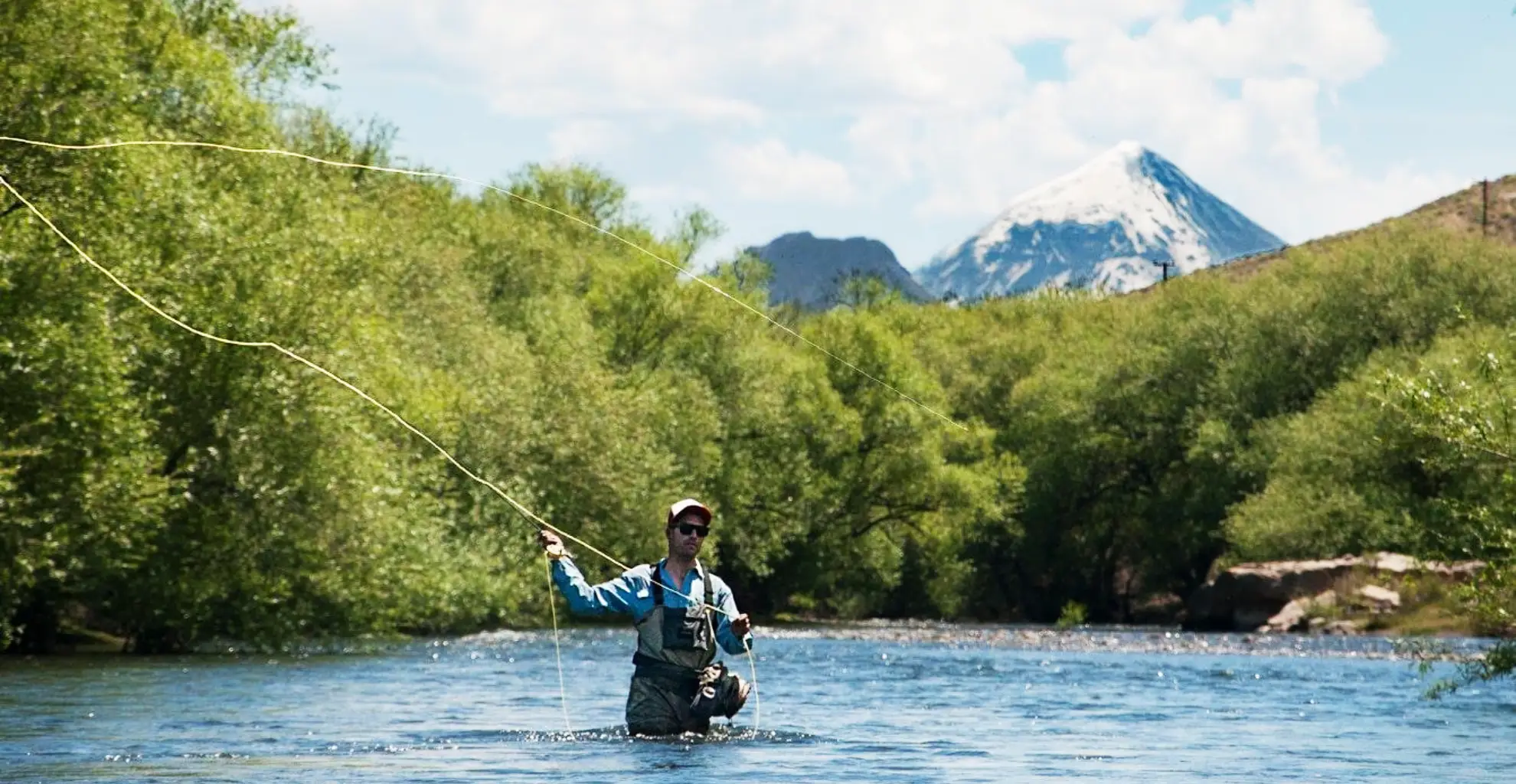
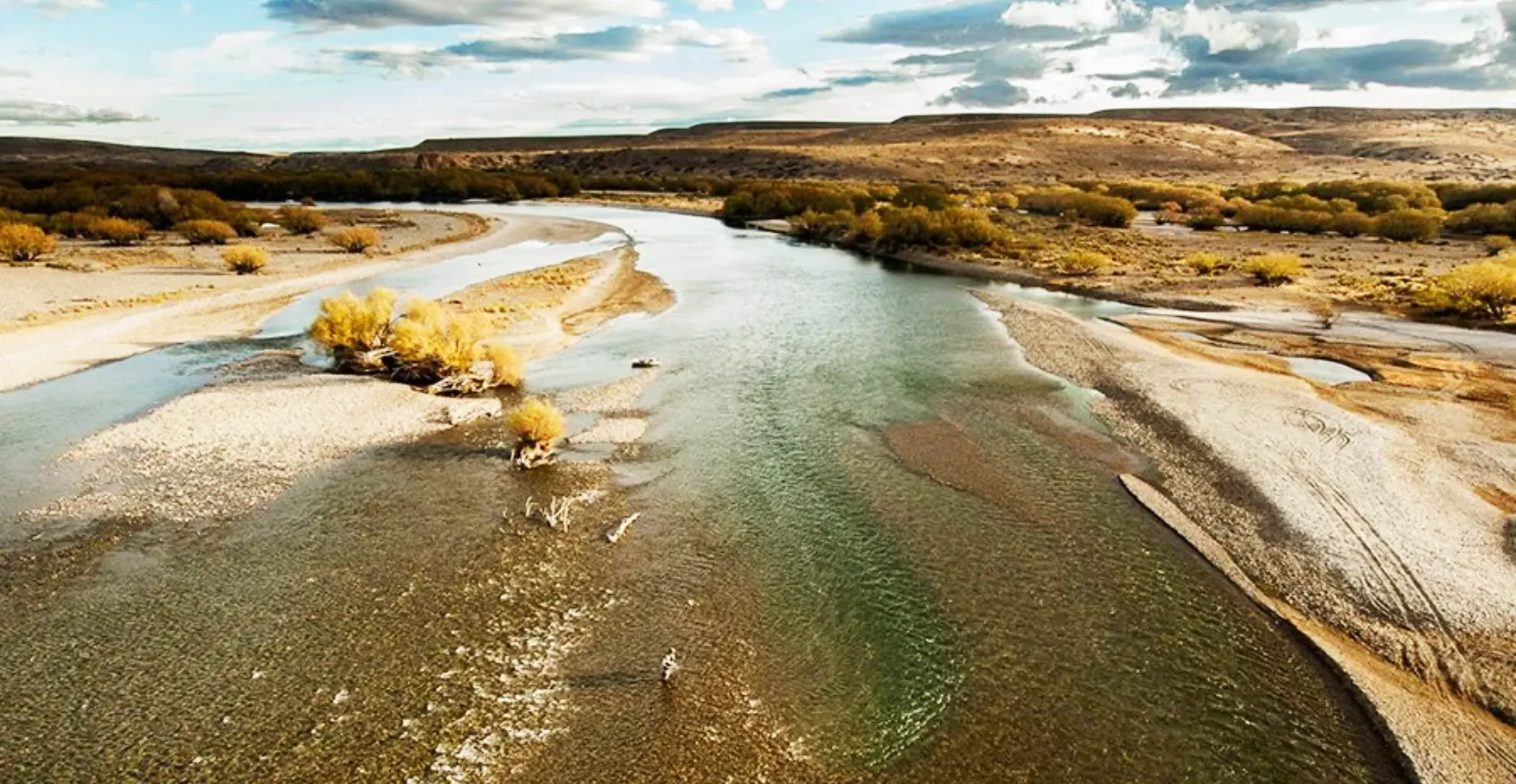
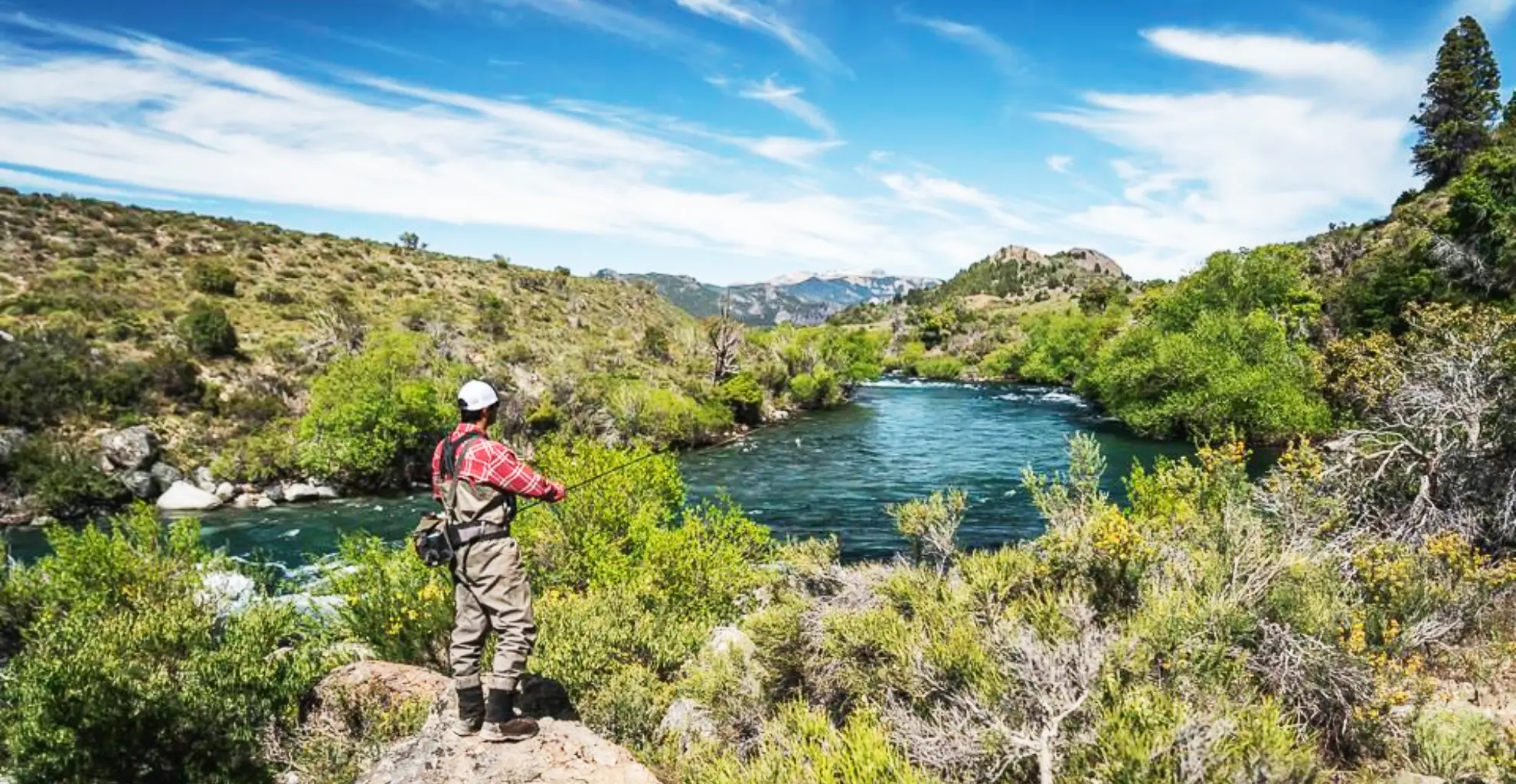
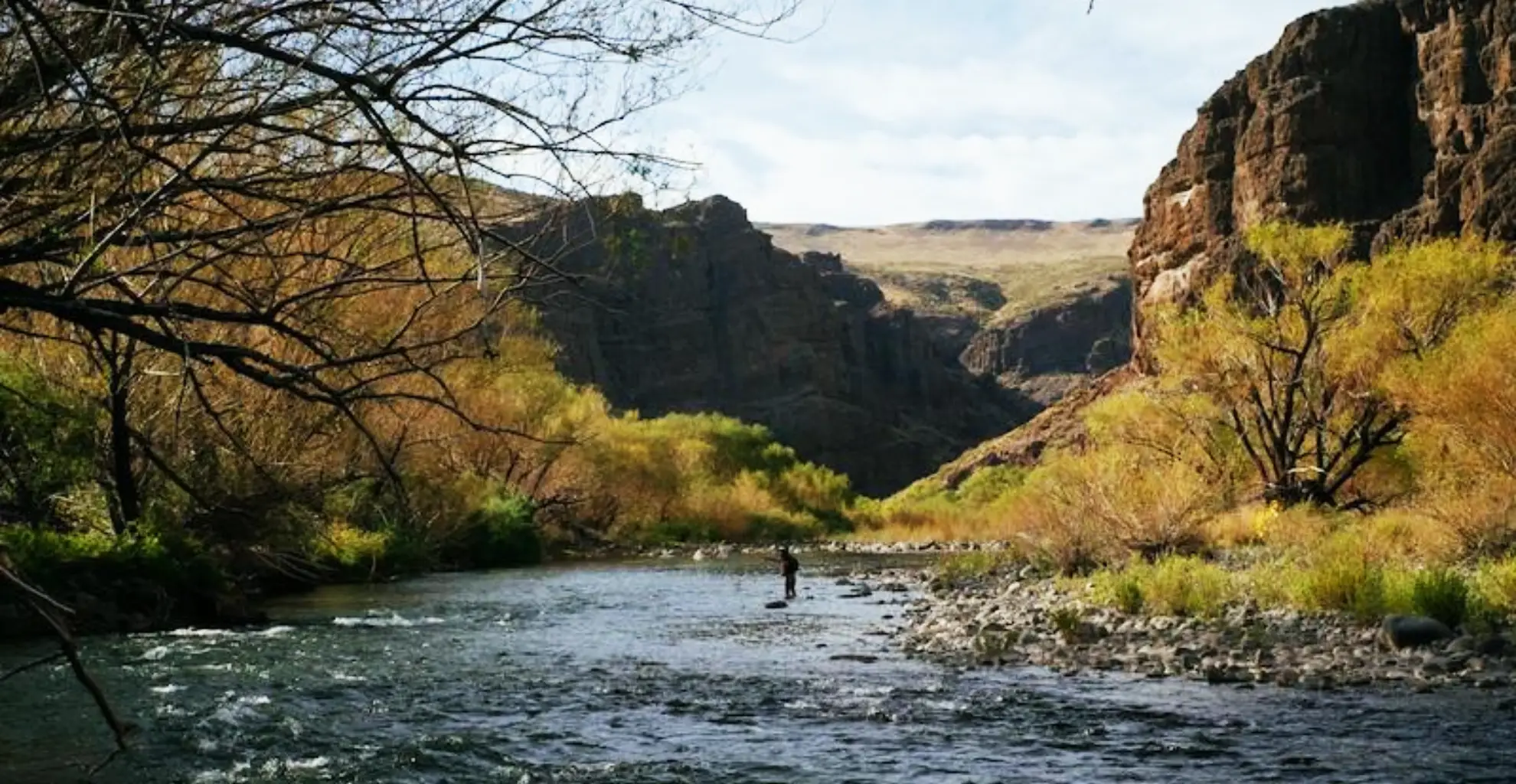
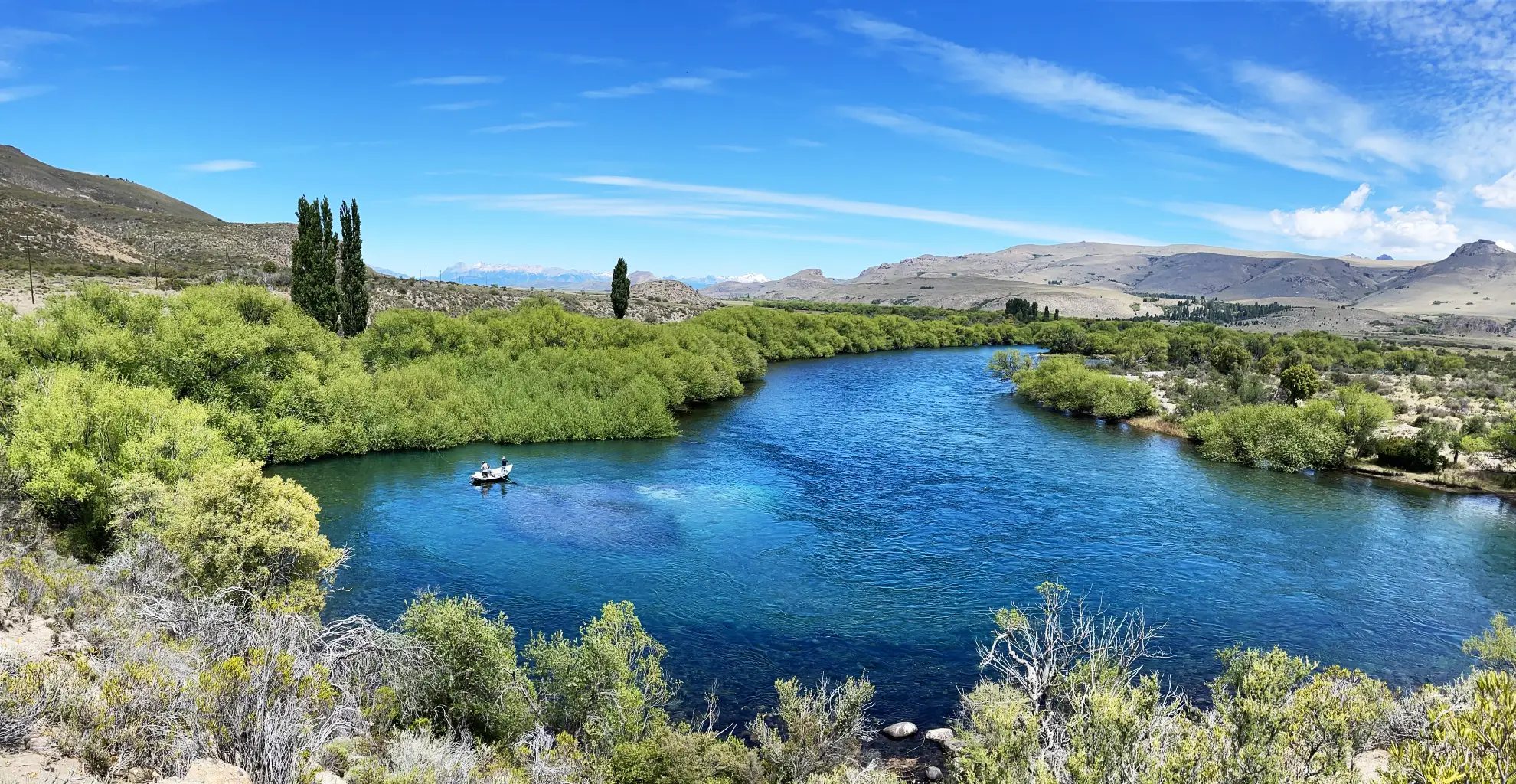
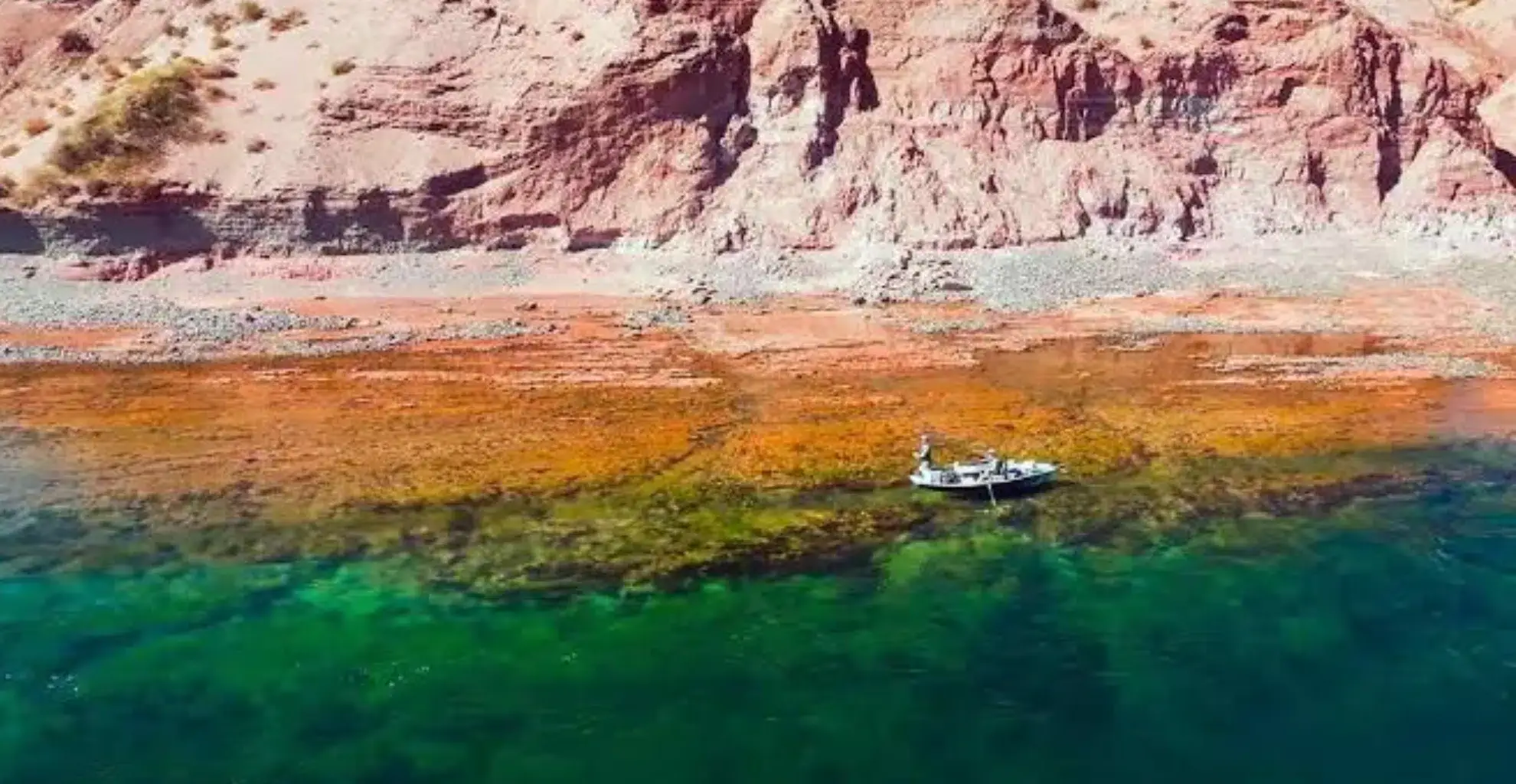
The Chimehuín is a big freestone river, similar in feel to storied waters like Montana’s Madison, with true pools, riffles, and runs carved through a mix of open plateau and rocky canyon. In places it braids into a maze of willow-lined channels that carry the intimacy of small water alongside the ever-present chance of a big fish.
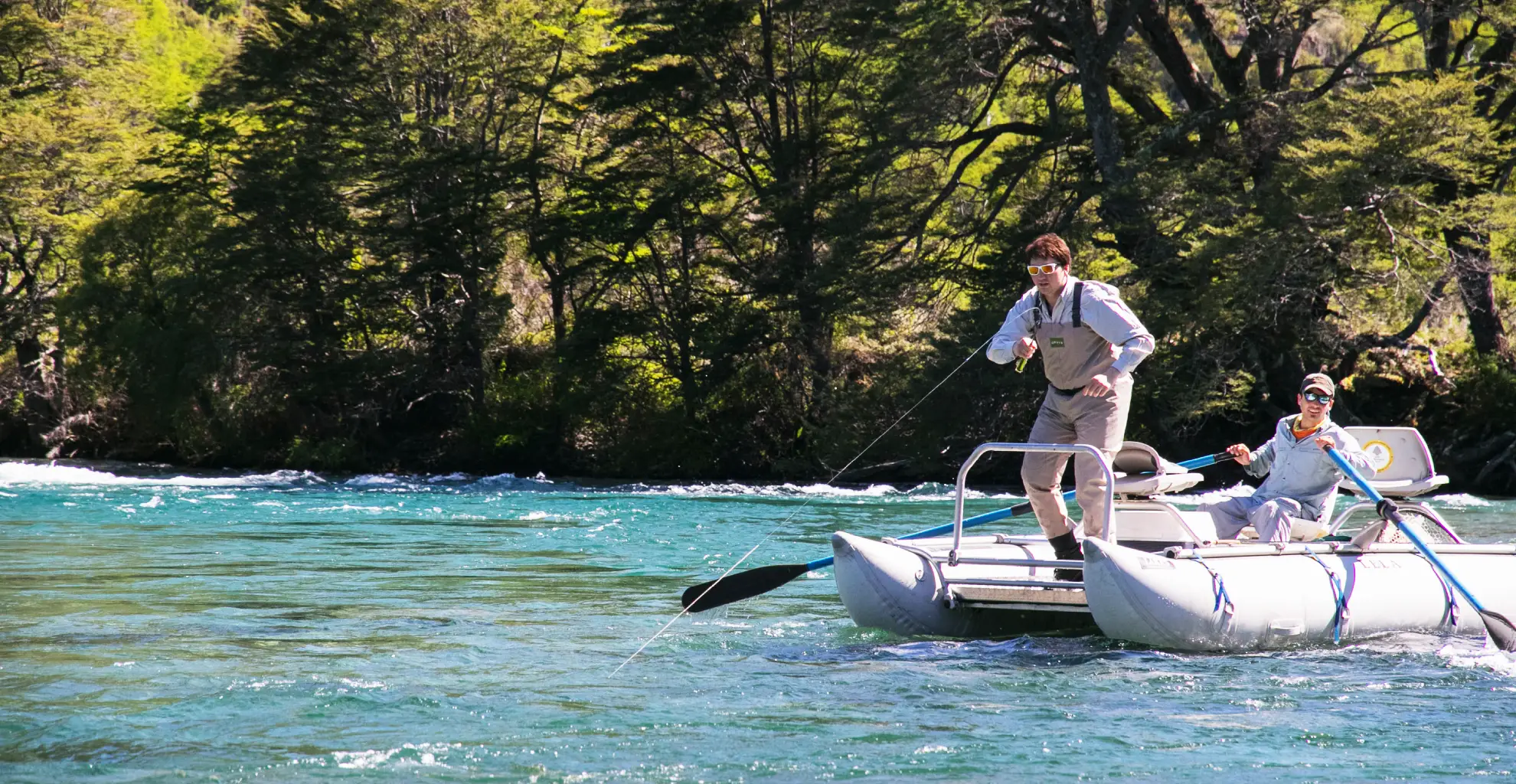
Fed by snowmelt off the Andes, the river runs remarkably clear over a cobblestone bed, making much of it easy to wade and read. Rocky walls along parts of its course push the current into fast, broken water, while more open stretches slow into classic pools that call for careful, deliberate presentations.
Fly Fishing on the Chimehuín
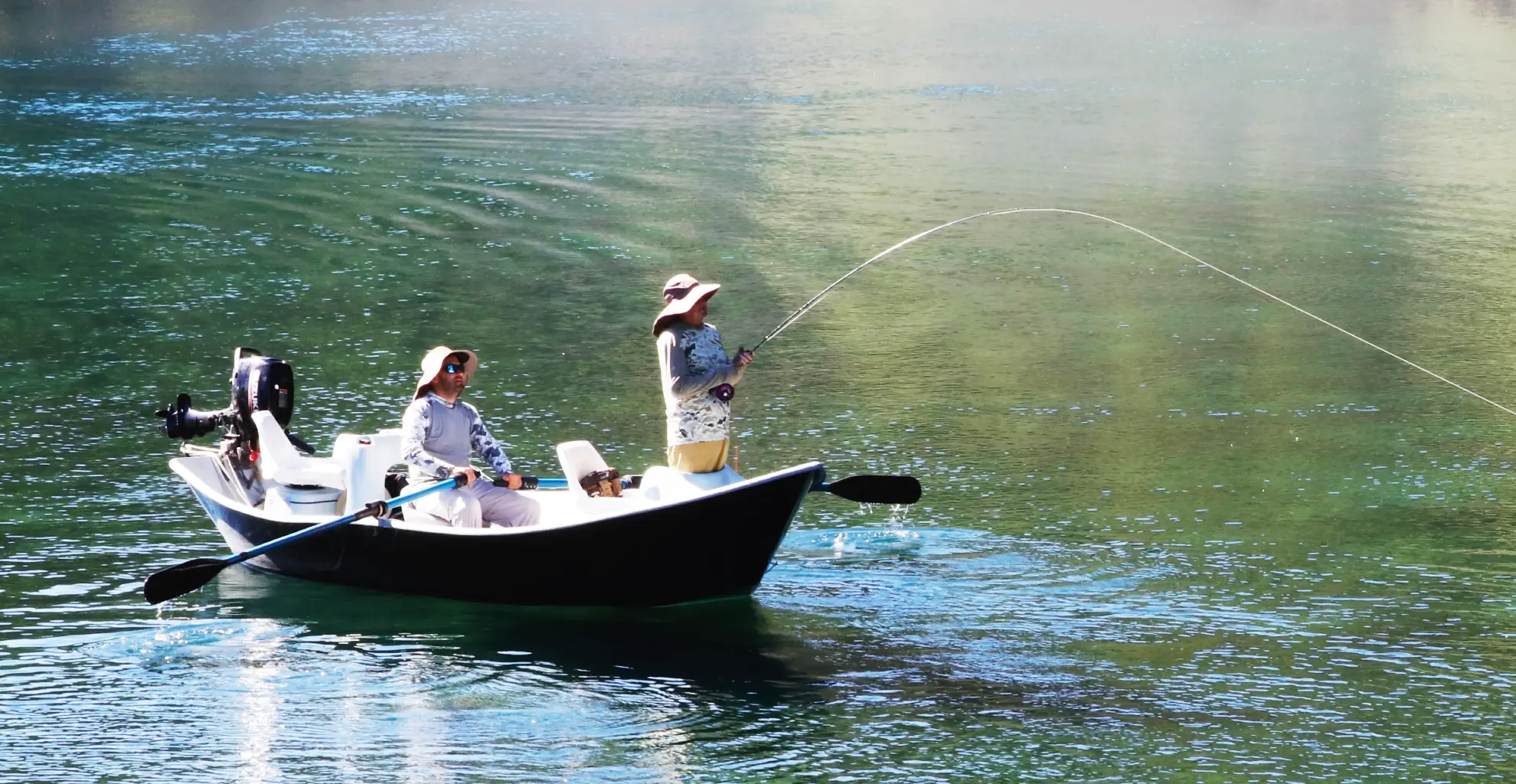
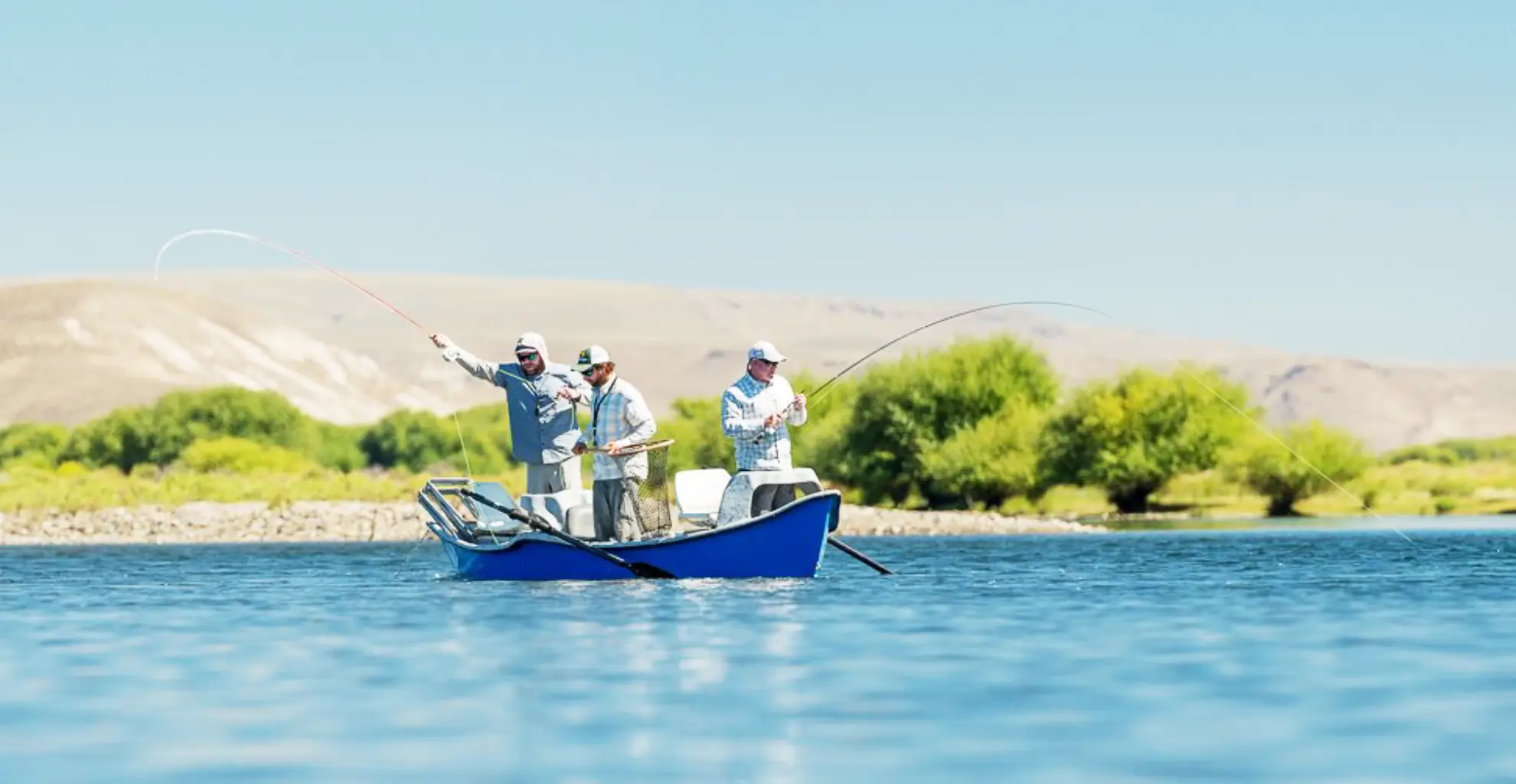
The Chimehuín offers anglers the chance to sight-fish wild rainbows and browns averaging 16 to 20 inches, with fish in the 21- to 24-inch range common enough to keep every cast interesting. Trophy trout up to 30 inches are also present and are typically targeted with streamers or large attractor dry flies.
Early Season (November – December)
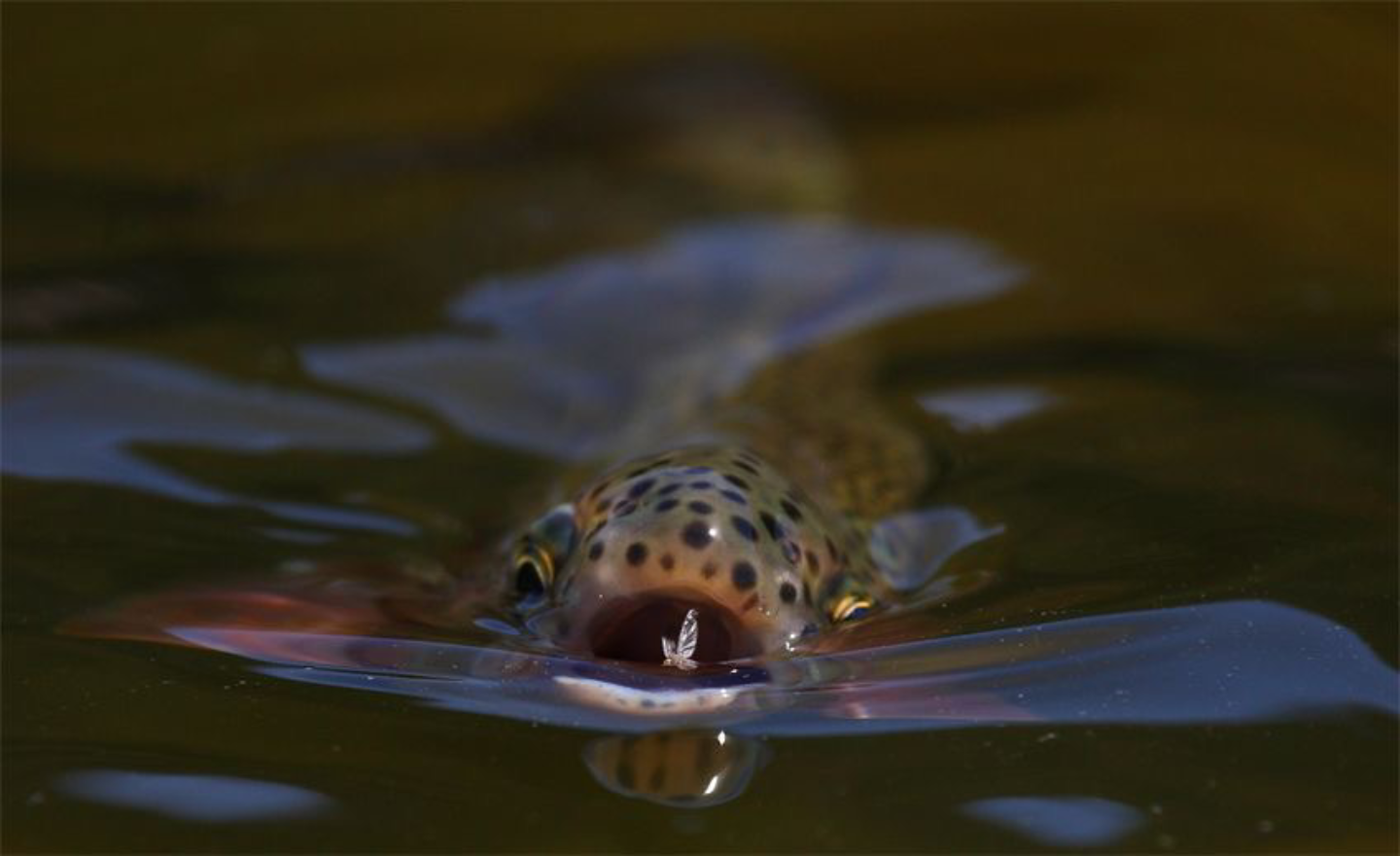
As the season gets underway, strong mayfly hatches bring fish to the surface, and dry-fly fishing over rising trout is often the highlight of a day on the water. Streamers fished through the deeper pools and along undercut banks also produce well, particularly for anglers hunting the river’s larger resident browns.
Midsummer (January – February)
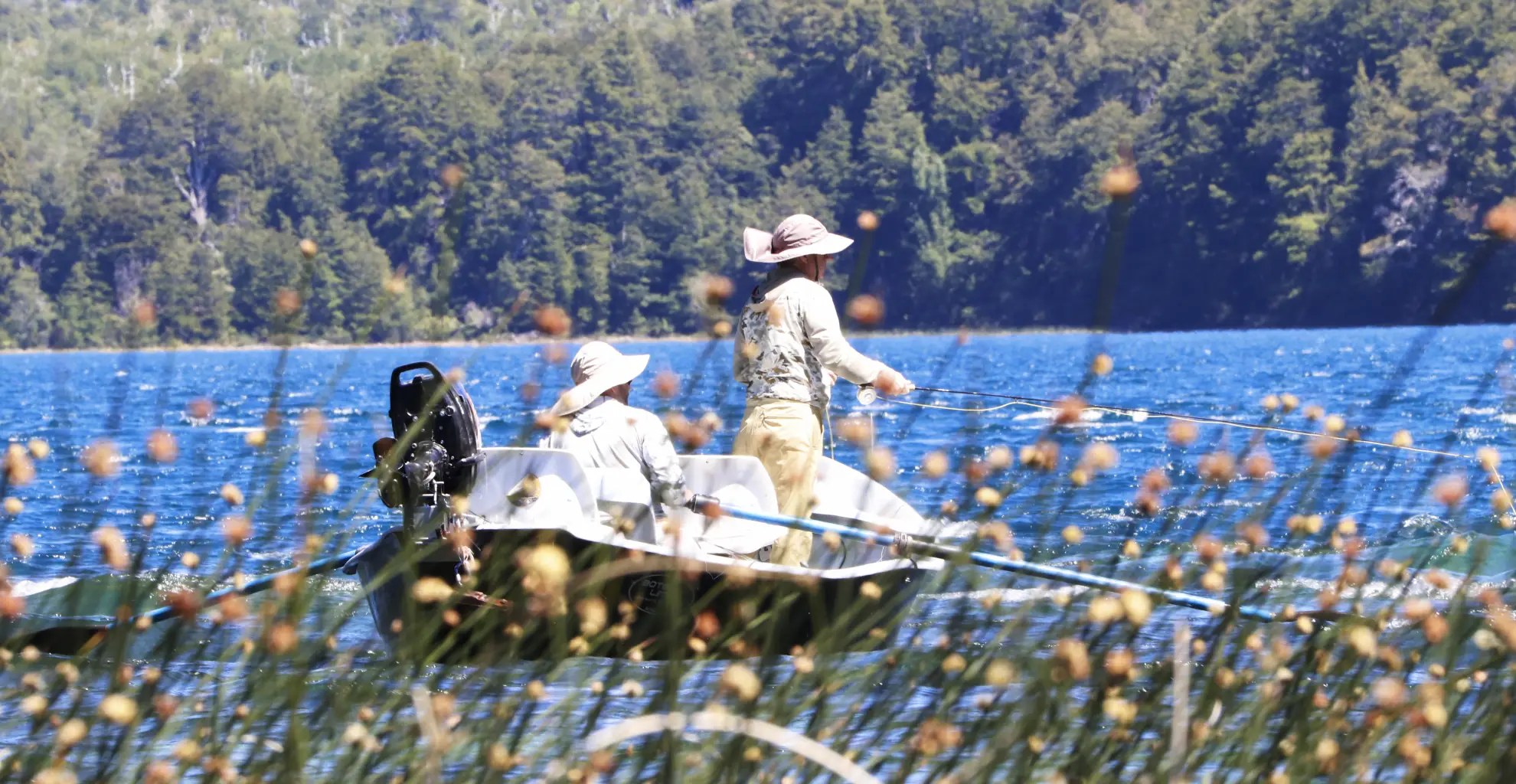
Through the height of summer, the Chimehuín’s varied water allows for nearly every technique. Attractor dries and hopper patterns work well in the faster riffles and pocket water, while nymphing the deeper runs accounts for steady numbers of fish through the warmer months.
Late Season (March – May)
As autumn sets in, the river’s brown trout begin their spawning migration, drawing some of the biggest and most selective fish of the year into the Chimehuín’s pools and runs. These fish are notoriously wary, but for anglers willing to put in the time, the reward can be a trophy brown that defines a season.