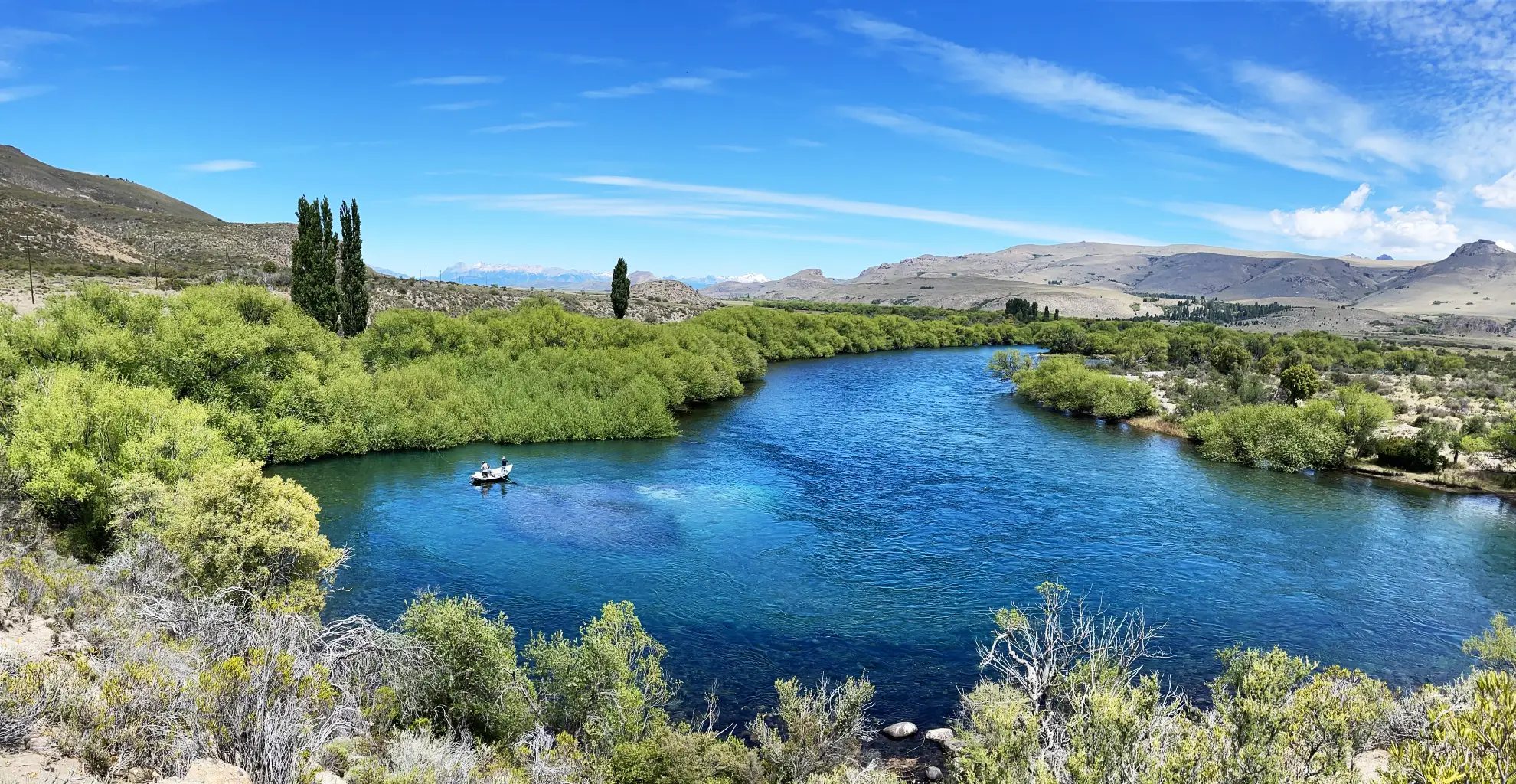
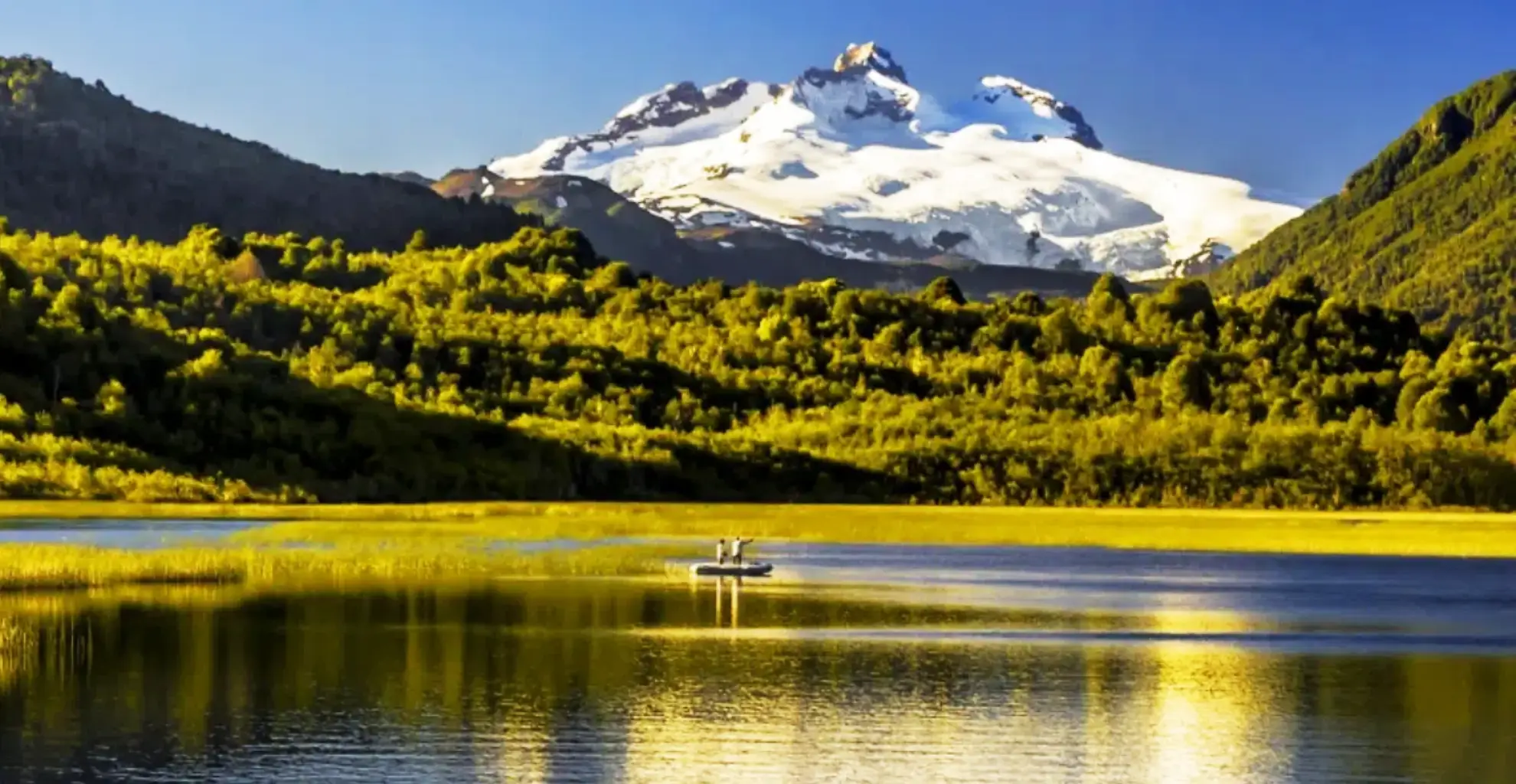
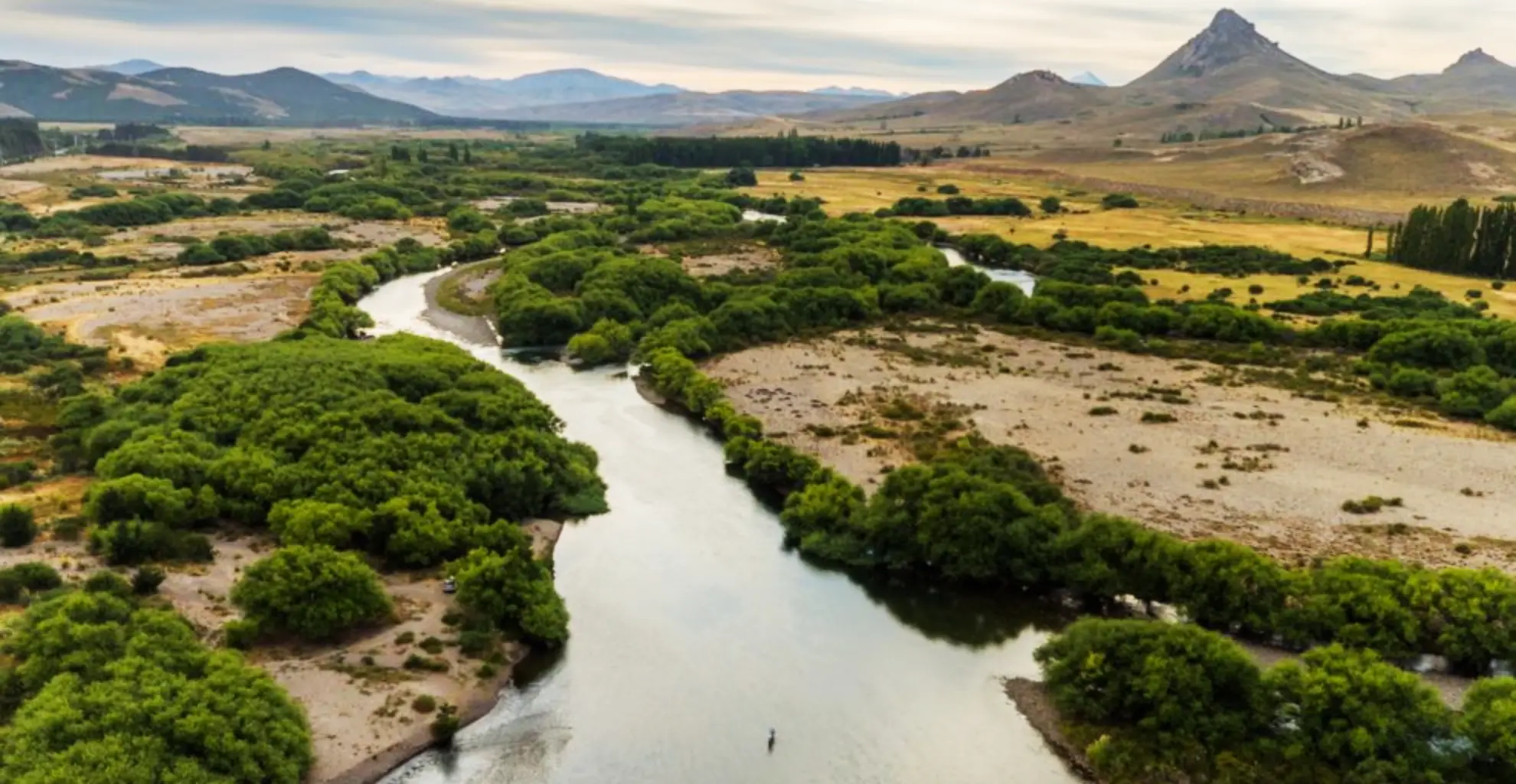
The Aluminé River begins at the outlet of Aluminé Lake, in the Andean foothills of Neuquén province, and runs roughly 100 miles before joining the Chimehuín to form the Collón Curá. One of the longest rivers in northern Patagonia, it carves through the region below the Lanín volcano before opening onto the steppe.
Landscape and Characteristics
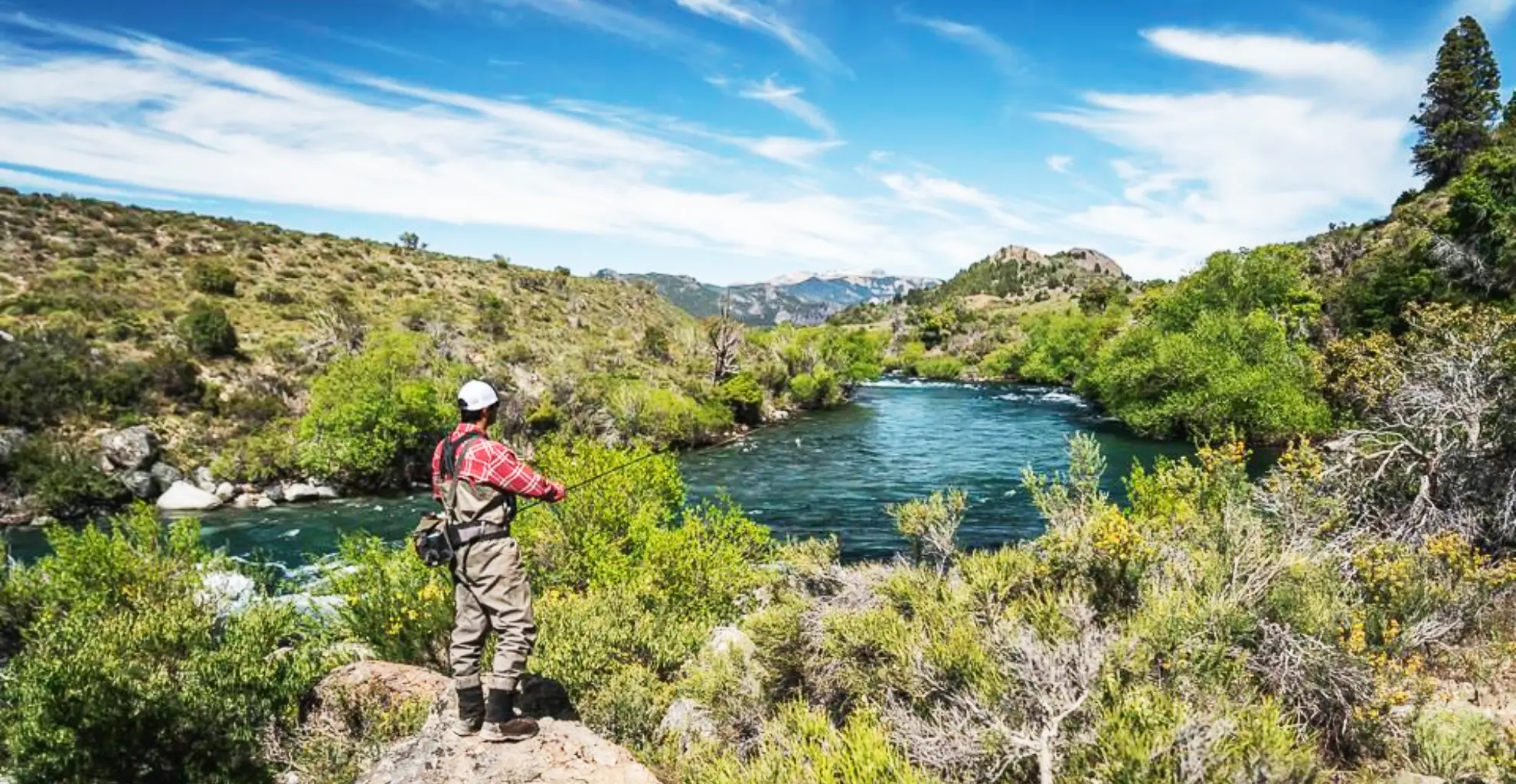
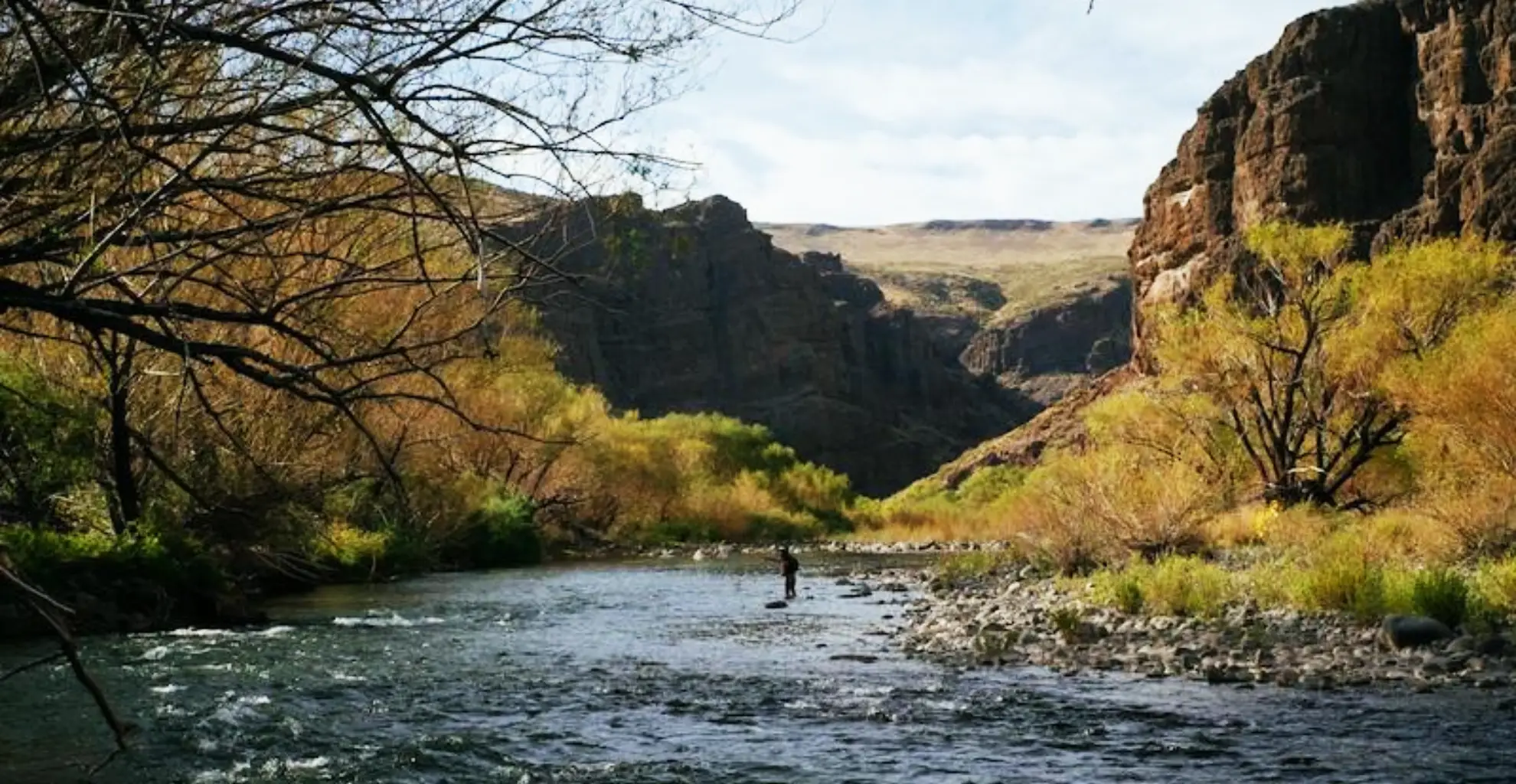
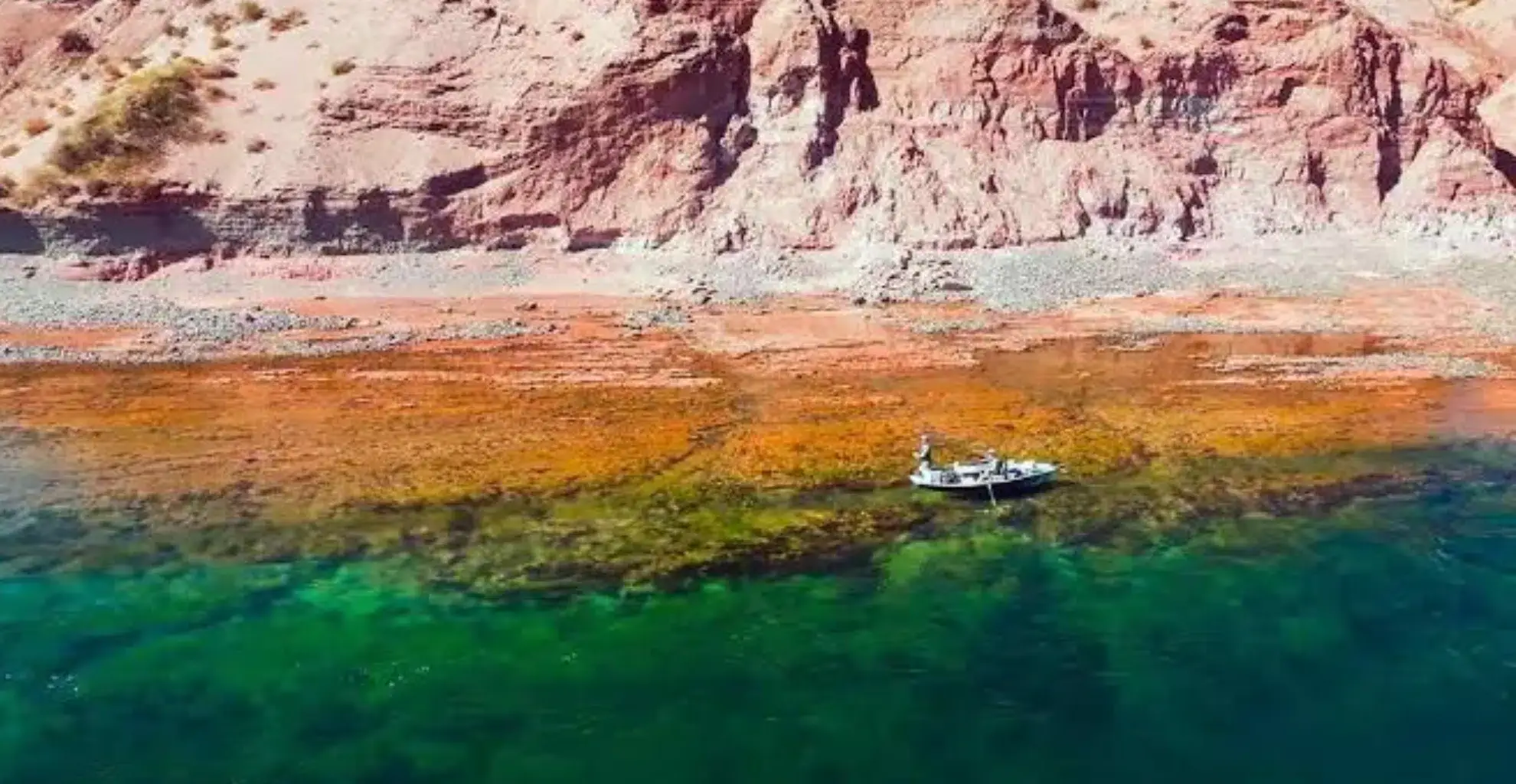
The Aluminé is a classic freestone river, fed by snowmelt and mountain rain rather than a dam or lake outlet, which gives it a wilder, more variable character than its neighbors. Large boulders, steep rocky cuts, and willow-lined banks define its upper reaches, while deep pools and long gliding runs take over as the river drops toward its confluence with the Catan Lil.
Much of the Aluminé’s course runs through private land with limited access, which keeps fishing pressure low and the trout population strong. The riverbed alternates between cobble and boulder, creating pocket water, seams, and current breaks that hold fish throughout its length, with larger brown trout becoming more common the farther downstream you go.
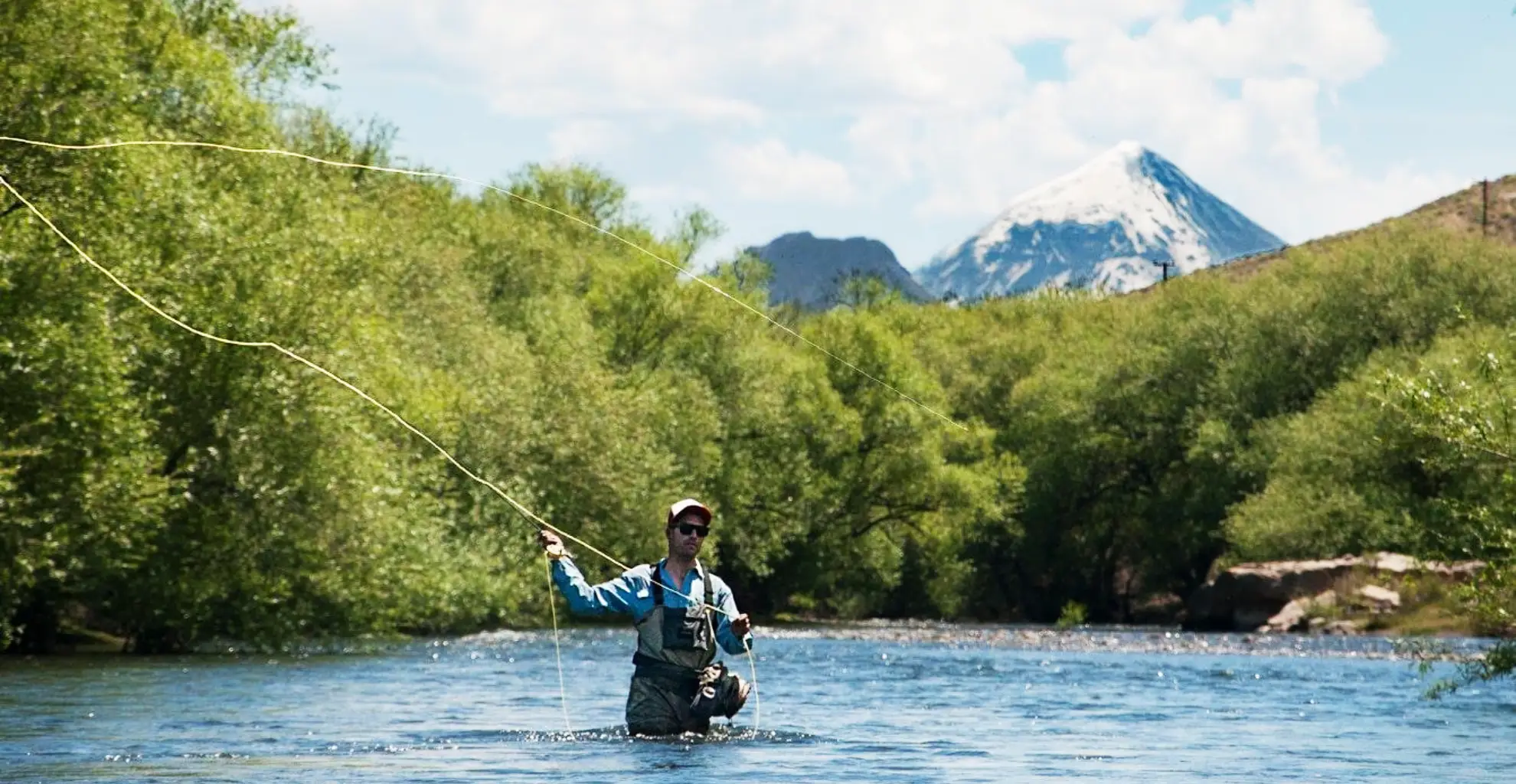
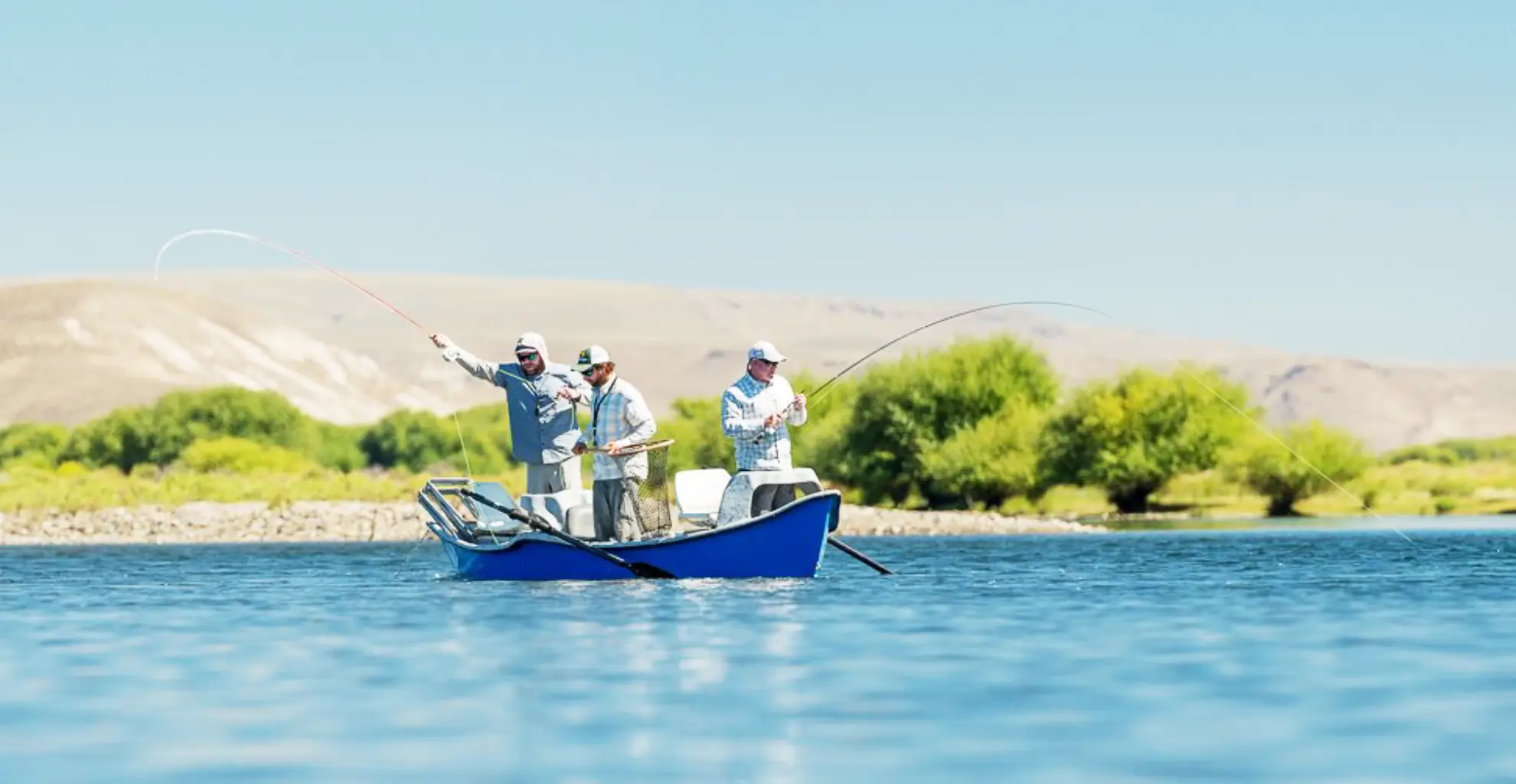
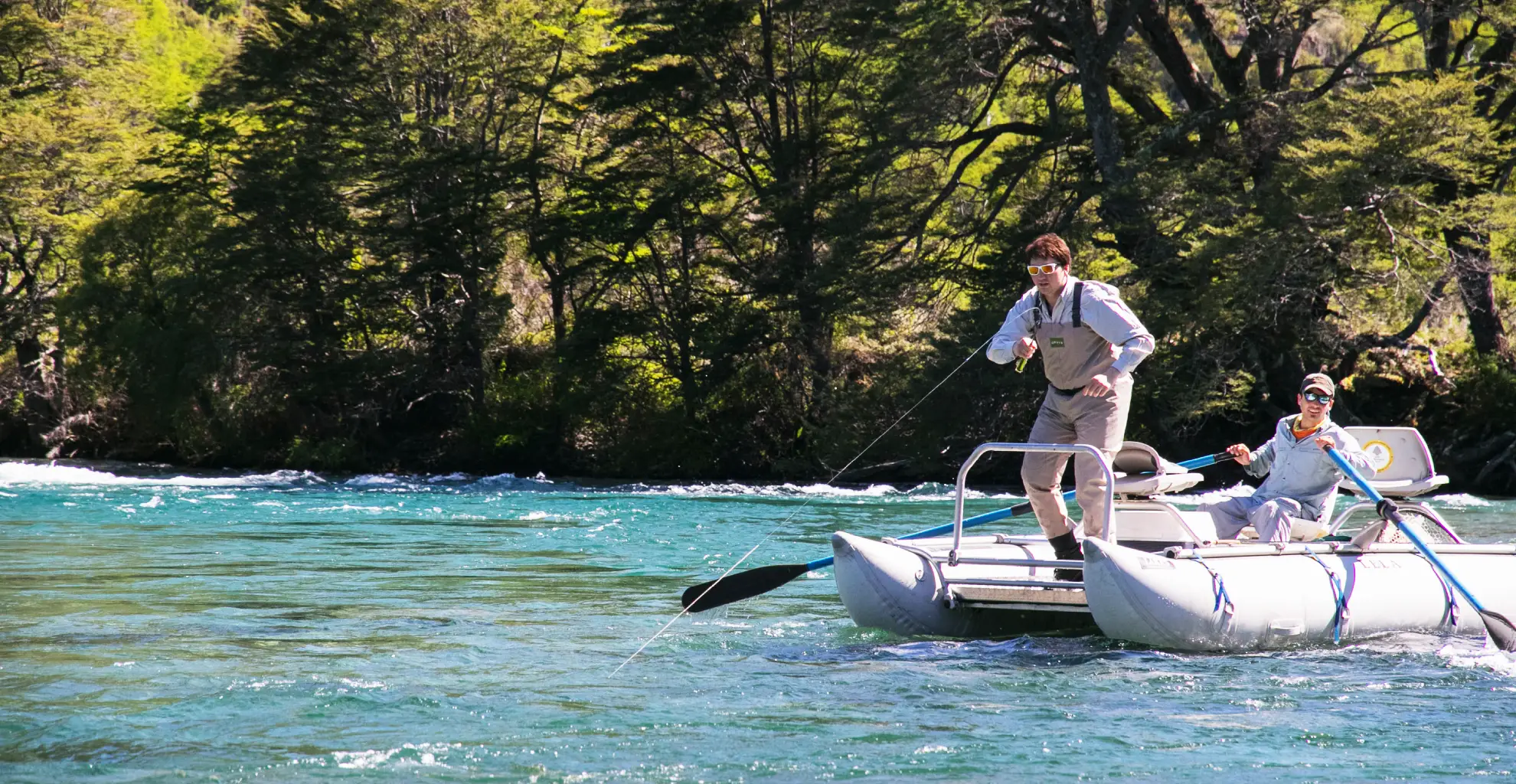
Fly Fishing on the Aluminé
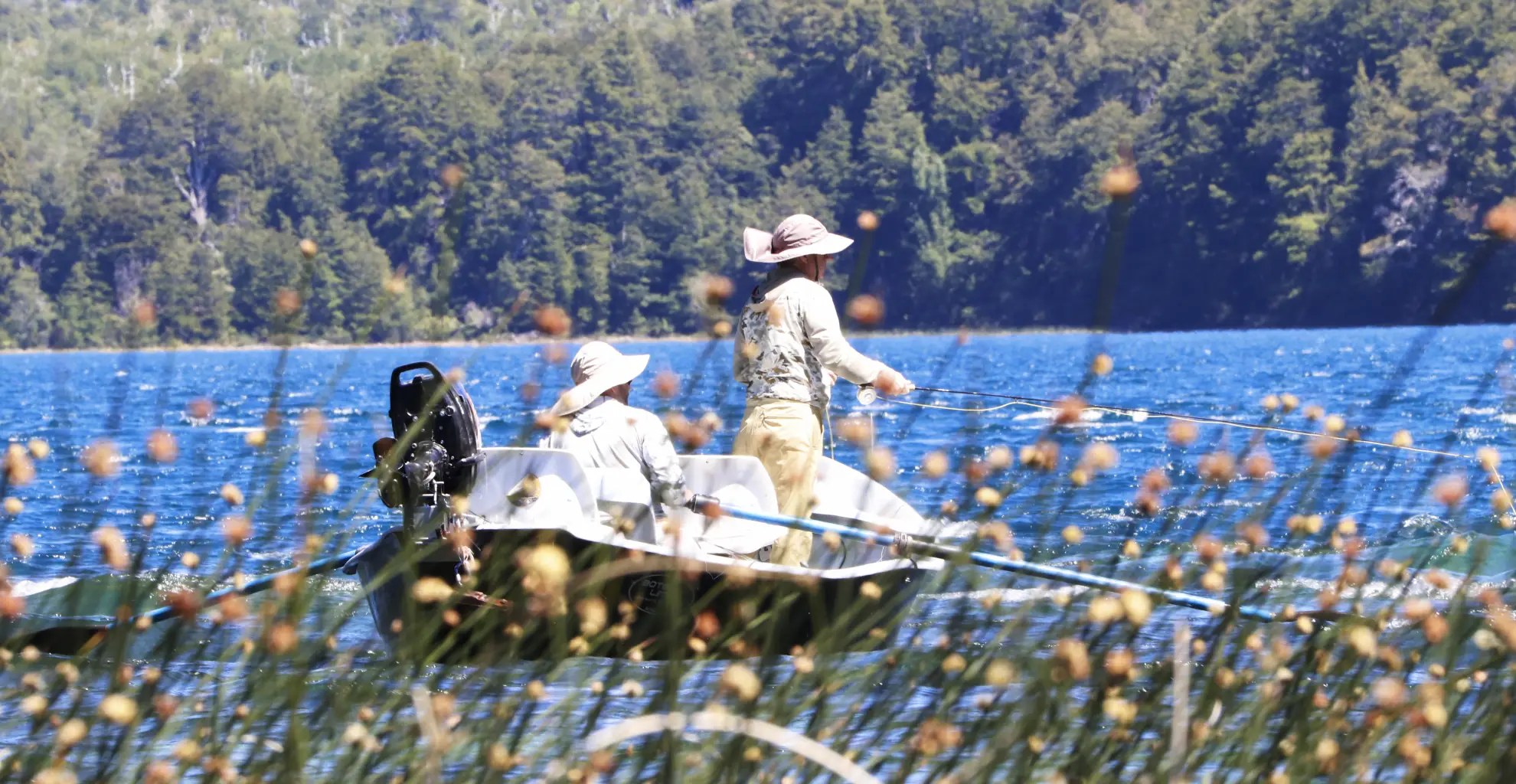
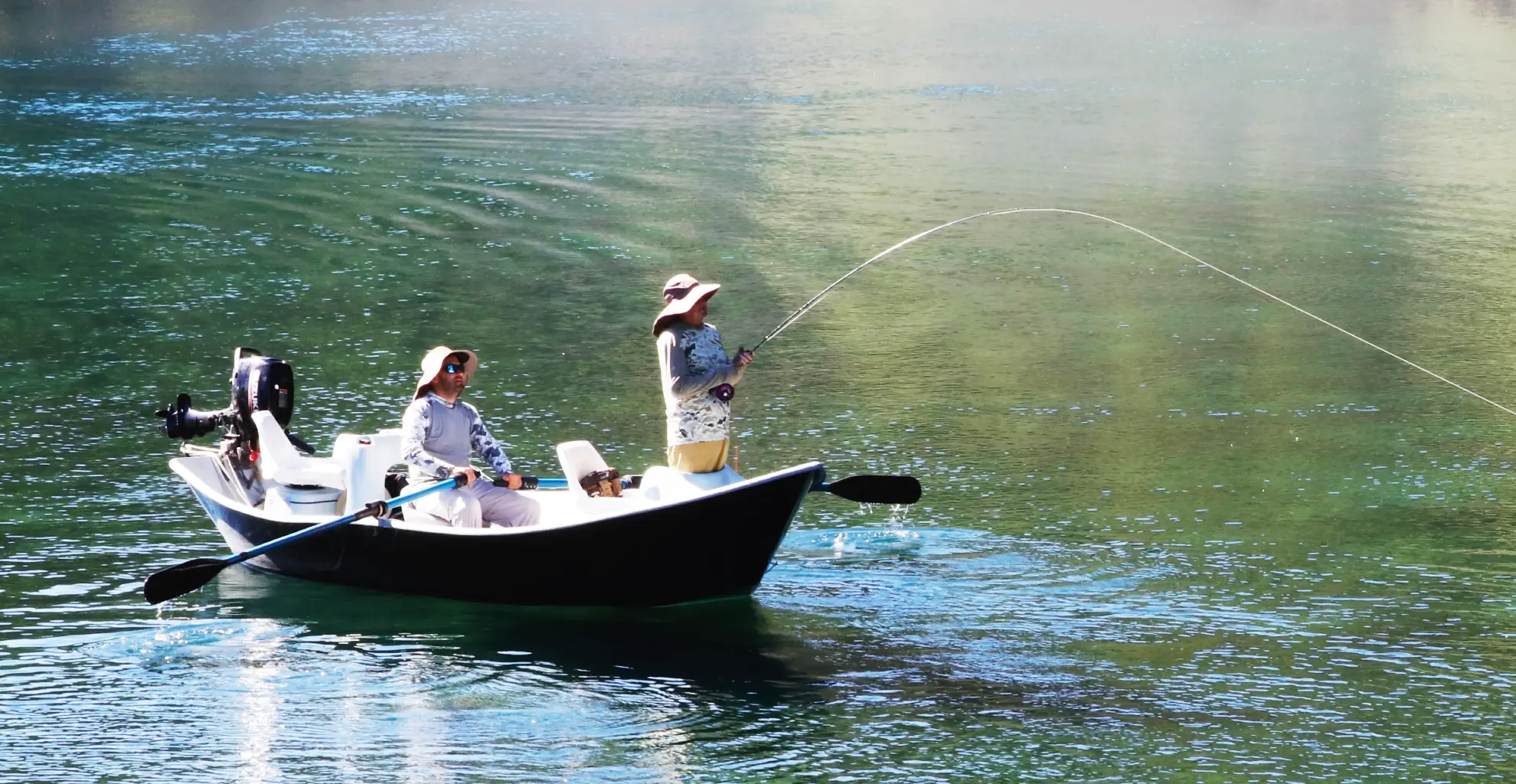
The Aluminé rewards anglers willing to work varied water, from technical pocket water up top to broad pools and streamer runs below. Rainbows and browns here average a pound or so, but the river also holds resident browns in the four- to five-pound class, along with the chance at something considerably bigger on a well-placed streamer.
Early and Midseason (November – mid-December)
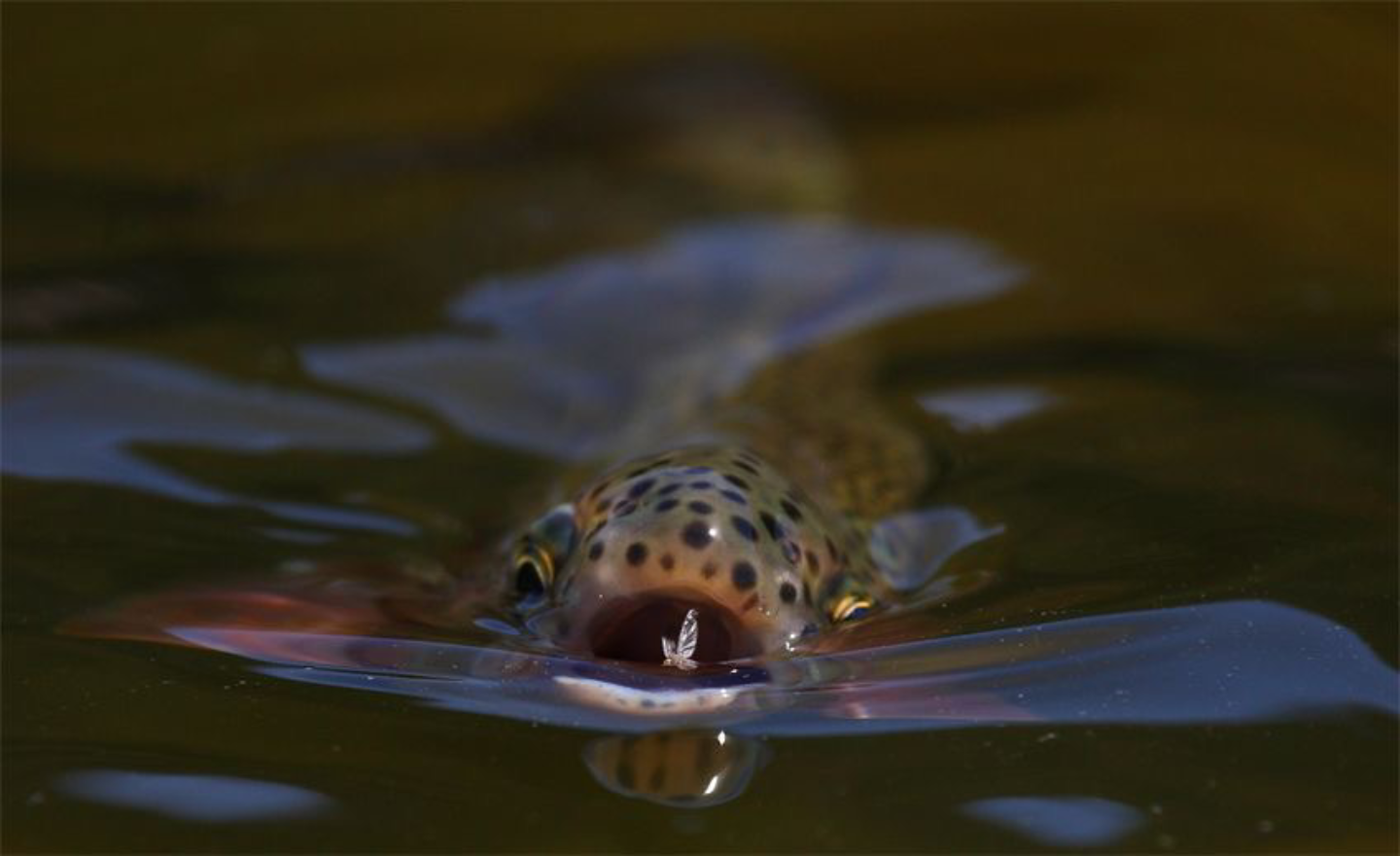
As the season opens, dry flies produce well, with fish keyed on the surface through the summer months. Attractor patterns and terrestrials both draw strikes in the faster pocket water, while nymphs take fish in the deeper runs and pools downstream.
The Willow Worm Hatch (Mid-January – Early February)
One of the Aluminé’s signature events is the willow worm hatch, when sawfly larvae living in the willows along the banks are dislodged by wind and overcrowding and drop into the current by the thousands. Trout gather beneath the overhanging branches to feed on the naturals, and a well-presented worm imitation fished tight to the bank can produce some of the most consistent dry-fly action of the season.
Late Season (March – May)
As autumn arrives, the river’s pre-spawn fish begin staging in the deeper pools and current seams, and the average size of trout landed increases noticeably. Streamer fishing becomes the method of choice for anglers chasing the Aluminé’s biggest browns, which can push well past the five-pound mark as the season winds down.